On 1 January 2026, the revolutionary amendment introducing the Unified Monthly Employer Report (JMHZ) comes into effect. This change fundamentally transforms payroll administration, digitalises communication with the state, and replaces up to 25 different forms with a single data record. Here is an up-to-date overview of the obligations for employers, HR managers, and payroll accountants.
What is the Unified Monthly Employer Report (JMHZ)?
JMHZ is a new data centralisation system through which employers report all data on employees, insurance contributions, and taxes only once a month. The state then distributes the data itself among the ČSSZ (Czech Social Security Administration), the Labour Office of the Czech Republic, the Financial Administration, and the Czech Statistical Office (ČSÚ).
Implementation schedule and deadlines in 2026
For a smooth transition to the new system, it is key to meet the following milestones:
- 1 January 2026: Act No. 323/2025 Coll. officially comes into effect.
- 1 April 2026: Launch of live operation. From this date, employers are obliged to submit monthly reports in the new format.
- April – June 2026: A transition period during which companies retroactively submit the reports for January, February, and March 2026.
- 1 July 2026: Start of mandatory registration of all employees before the moment they start work.
Key changes in HR administration
The implementation of JMHZ brings several process changes that will affect the everyday running of a company:
- The end of ELDP: Employers no longer prepare pension insurance record sheets (ELDP) for 2026 and onwards. This agenda is taken over by the ČSSZ based on data from the monthly reports.
- New identifiers (OIČ): Every worker will receive a Personal Identification Number. Together with the Employment Identifier (IZ), these are unique keys that replace the identification used until now.
- Registration before starting work: From summer 2026, the 8-day deadline for reporting a new employee is abolished. You must submit the registration (even a partial one) before the employee starts performing work.
Technical parameters of the report
The report can only be submitted electronically in XML format. The state defines three main channels:
- API interface (APEP/VREP): A direct connection between your payroll software and the ČSSZ portal.
- Data box: Sending the generated XML file.
- ČSSZ ePortál: Manual completion via a dynamic form (suitable for small companies).
Tip: Check with your payroll system vendor (e.g. Helios, Vema, OKbase) whether their 2026 version is fully compatible with the JMHZ parameters and supports automatic generation of OIČ numbers.
The impact on employee stability and the role of Advanto
The digitalisation of state administration is moving towards greater transparency and speed. Employees expect the same standard from their employers. Administrative simplification on the state's side frees up HR managers to focus on strategic employee support.
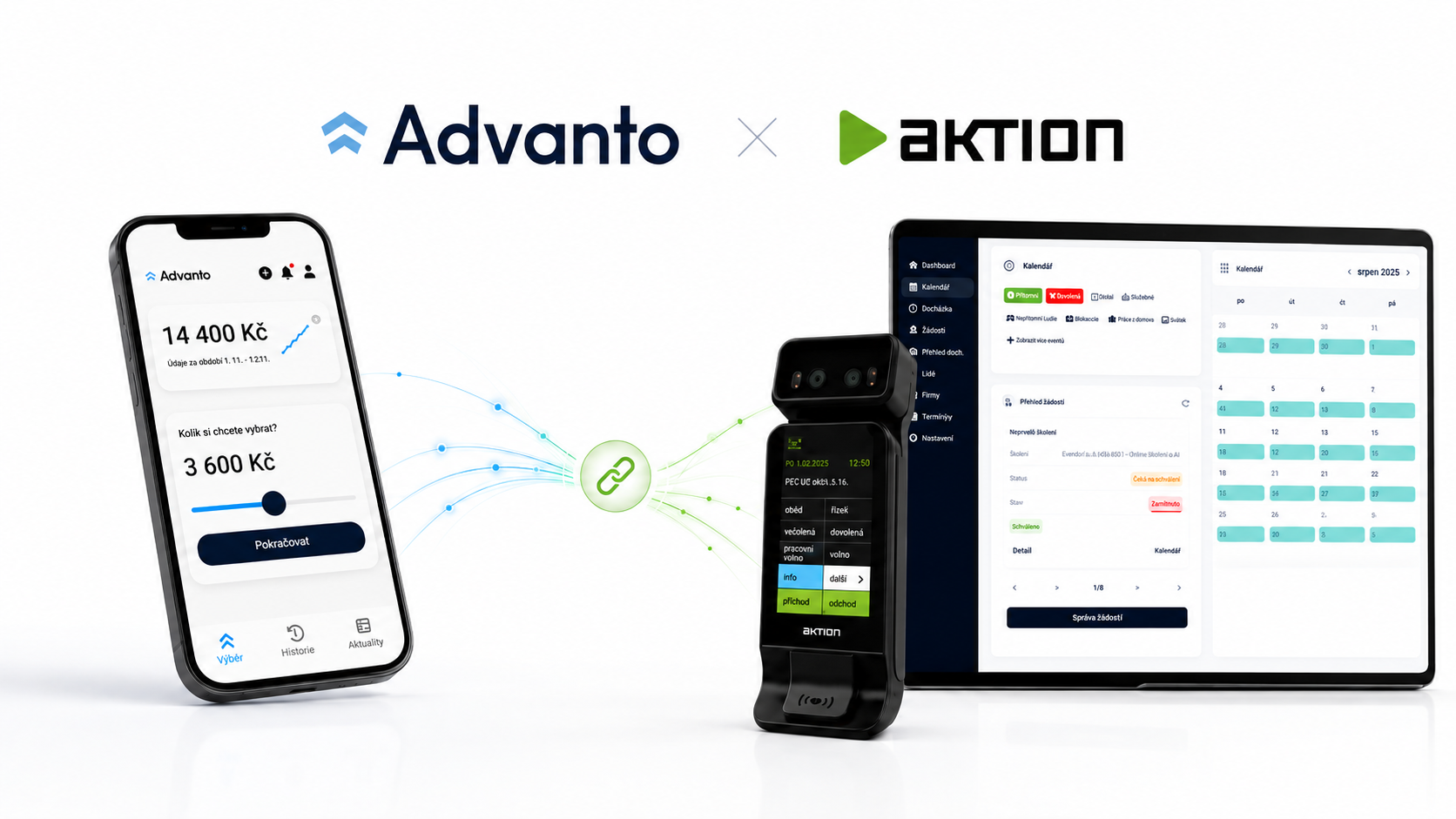
Tools like Earned Wage Access from Advanto complement this digital ecosystem. While JMHZ ensures that earnings data flows smoothly towards the state, Advanto ensures that earned money can flow towards the employee exactly when they need it. Connecting modern administration with flexible pay is the key to reducing turnover and increasing loyalty in the digital era.
Frequently asked questions
Do I have to submit the report even if I only have workers on DPP/DPČ agreements?
Yes, JMHZ applies to all types of employment relationships that establish participation in insurance or a tax obligation.
What if I do not submit the report on time because of an internet outage?
The statutory 20-day deadline is long enough to resolve technical difficulties. Paper submission is not permitted.
Where can I find the official documentation?
Detailed information and technical specifications are available on the MPSV website on JMHZ.