When a company is considering a new benefit, the first logical step often follows: ask employees whether they would be interested in it. With Earned Wage Access, however, such a survey often may not reveal the benefit's true value. Not because employees do not know what they want. But because we are asking them about something most of them can only appreciate at the moment they actually need it.
Earned Wage Access is not a benefit that employees plan for in advance, like a Multisport card or a holiday allowance. It works more like a safety net. For most of the month, people may not think about it at all. And then an unexpected expense arrives: a broken washing machine, an additional energy bill, shopping before payday, or the need to bridge a few days until the next paycheck. And that is exactly when it starts to make the most sense.
The problem is not interest. The problem is how we ask
Research by ADP on Earned Wage Access (the earned wage access benefit) shows that employees often underestimate how often they would use the service if they do not yet have it available. When researchers asked them how often they would use Earned Wage Access, 37% answered “only for a specific need”, 25% estimated they would use it 1–6 times a year, and 18% did not know. Only 20% expected to use it every pay period or every other pay period.
But the reality after implementation was different. Among employees who did have Earned Wage Access available, 62% used it every pay period or every other pay period, 31% used it 1–6 times a year, and only 7% only for a specific need.
In other words, when you ask people in advance, some of them will say they probably will not use the benefit much. But once they have it available, it turns out it has more value for them than they themselves expected. This is important for HR. A survey along the lines of “Would you be interested in earlier access to your pay?” can easily come back lukewarm. Not because the benefit is not relevant, but because employees cannot precisely picture in advance the situation in which it will help them.
People often do not plan a financial cushion, they deal with a specific moment
Financial stress at work is not an abstract topic. According to PwC, 59% of employees say they are currently stressed about their finances, and 49% say their compensation is not keeping up with rising costs. Czech data paints a similar picture: almost 60% of employees find it difficult to get by on their income, and according to the JobsIndex from spring 2025, 61% of Czech employees would be unable to cover an unexpected expense of CZK 13,600 without difficulty.
This is exactly why Earned Wage Access cannot be measured well with the question “do you want this benefit?”. An employee will probably not say to themselves: “Yes, I need Earned Wage Access.” Rather, they know that at some point during the month they face pressure on their cash flow. They need to pay everyday expenses, avoid taking out a loan, not borrow from family, or not wait for payday when the money has already been earned.
This is also confirmed by an EBRI case study among hospitality employees who used the benefit. The most common source of financial stress was monthly bills, cited by 60% of participants, followed by a lack of emergency savings at 46% of respondents. More than half of the participants also said they worry about everyday expenses on a daily basis.
Earned Wage Access has value even for those who do not use it every month
A common mistake is to look at Earned Wage Access only through the lens of regular usage. In other words, if an employee does not make a withdrawal every month, the benefit has no value for them. But that is not how financial benefits work. The mere option itself can have value.
Just as with insurance, the point is not that people use it every week. What matters is knowing that if something happens, a solution is available. With Earned Wage Access, it is similar. Employees know that when an unexpected expense comes up, they do not have to ask their employer for a wage advance, borrow from friends, or reach for unfavourable loans.
In its case study, EBRI reports that thanks to EWA, 57% of participants did not have to ask family or friends for a loan, 40% avoided late payment fees on bills, and 32% avoided overdrawing their account. For a company, this is a fundamental difference. Not everyone needs to use the service, and not all the time. It is enough that employees have it available at the moment when it can genuinely help them.
Personal finances are a sensitive topic. Even in an anonymous survey
With Earned Wage Access, there is one more important factor to keep in mind: for many people, their financial situation is a very personal topic.
Employees often do not want to openly admit that being able to access part of their pay earlier would help them. And that holds true even when the survey is anonymous. Needing money before payday can be tied to shame, fear of being judged, or the feeling that it is something they should not be dealing with at work.
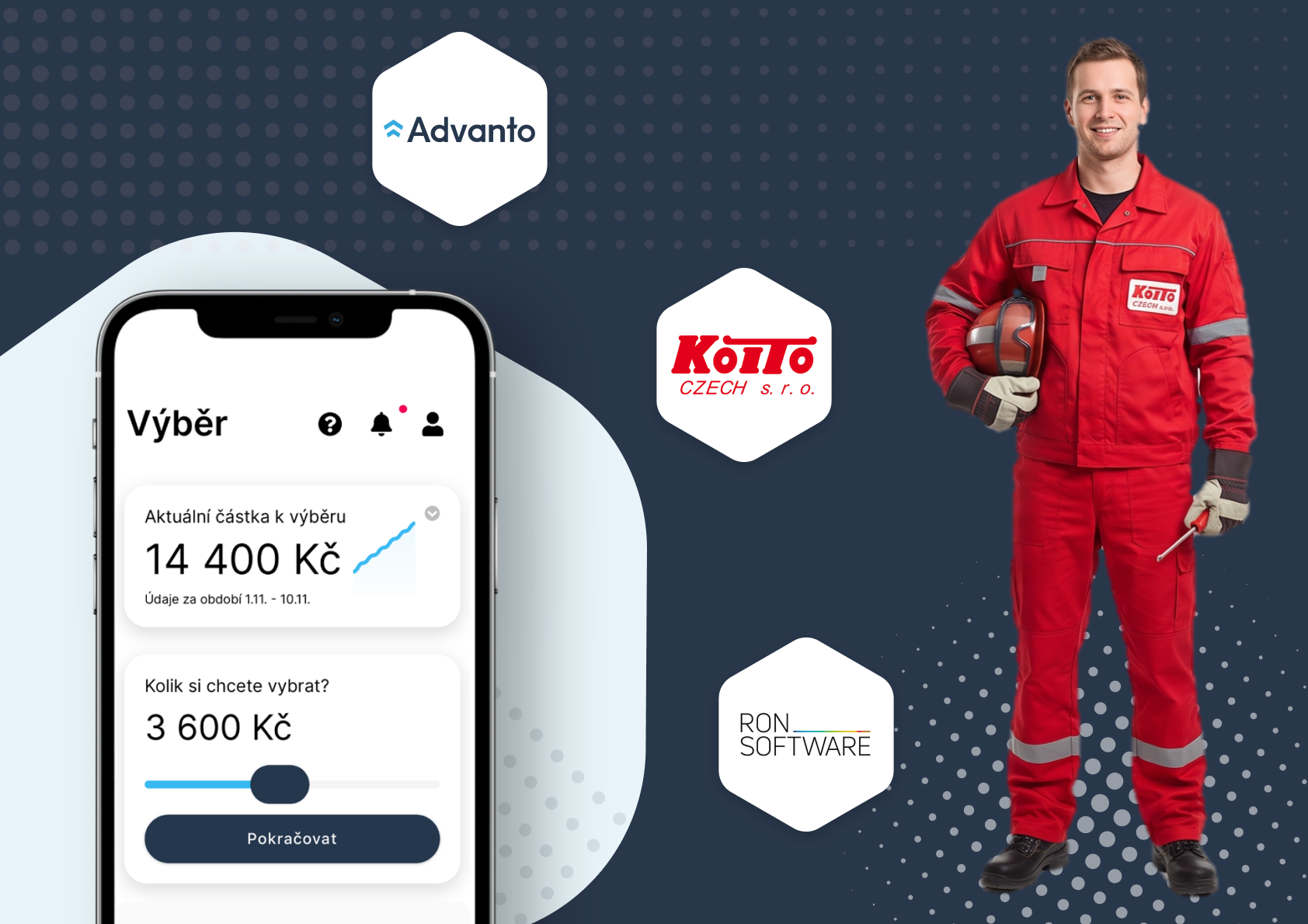
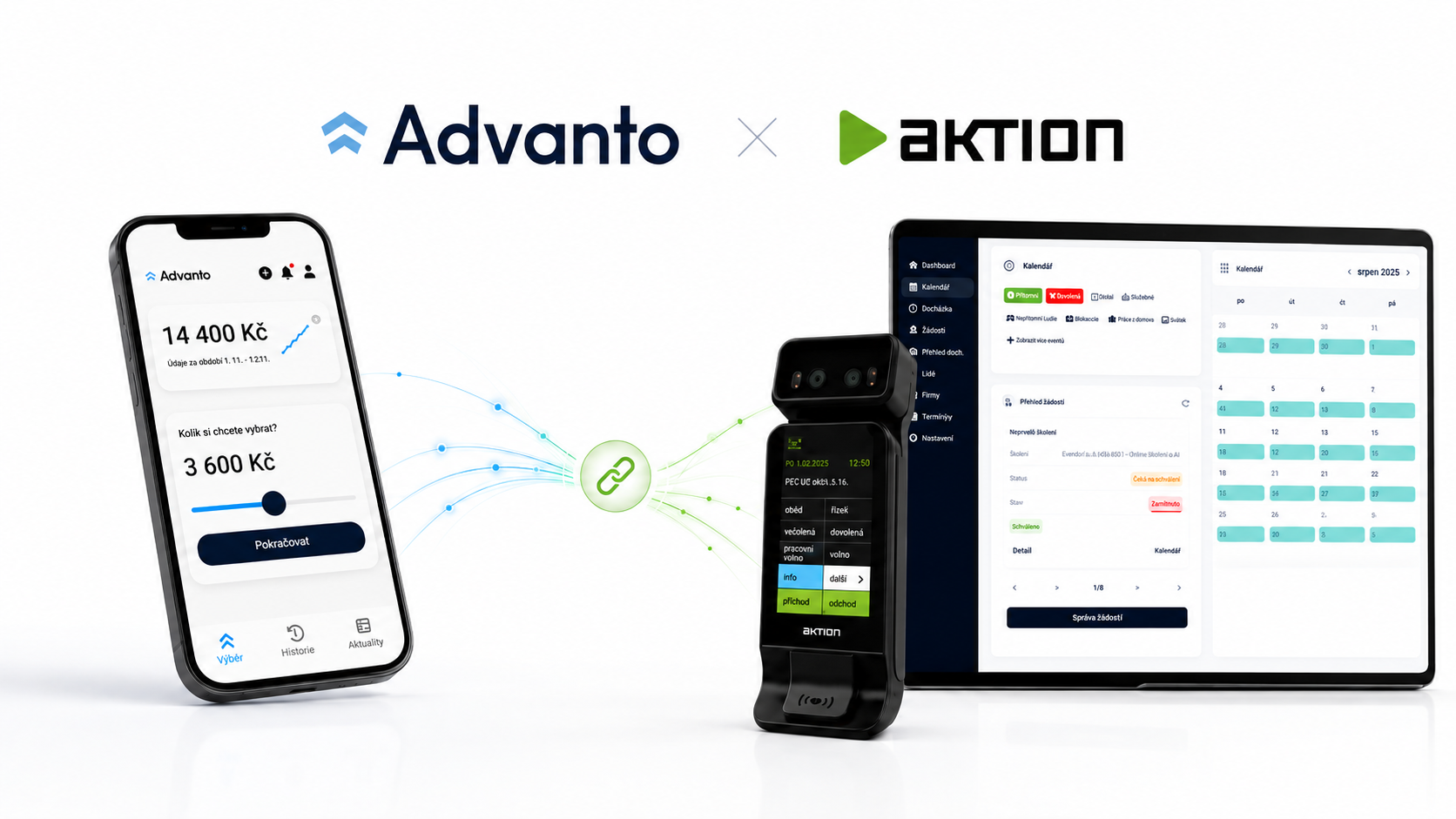
That is exactly why Earned Wage Access works differently from traditional wage advances. Employees do not have to go to their manager, explain their situation, wait for approval, or arrange the payout through the payroll accountant. In the mobile app, they simply see what portion of their already earned wages is available to them, and if they need to, they send the money directly to their bank account.
For employees, it is a discreet, self-service solution. For the company, it is a way to offer people practical support without individual approvals, administration, or keeping cash in the till.
HR does not have to wait for the perfect survey
Earned Wage Access is not a popularity poll. It is not decided only by what people tick in a questionnaire. What matters more is that the benefit helps them resolve a situation at the moment they truly need it.
That is why it does not make sense to decide based only on how many people tick in a questionnaire that they would want the service. Some employees will only realise its value once they have it available. And that is when it becomes clear whether the benefit truly helps.
For HR, it is more important to look at the bigger picture. At employees' financial stress, turnover, recruitment, the administration around cash advances, and the tools the company offers people at moments when they are dealing with ordinary financial pressure.
Earned Wage Access does not give employees extra money. It gives them the option to work with their own earned wages more flexibly. And that is something a questionnaire often does not answer well.
Considering a benefit for your employees? Get in touch with us, and we will be happy to tell you more about Earned Wage Access.