“People will tell us just about anything about their sex life or an affair before they'll talk about their money and personal finances.” A sentence that, at first listen, sounds like well-worn folk wisdom. In fact, it's one of the key findings of a 1999 academic paper by American psychiatrist Richard Trachtman, aptly titled The Money Taboo.
In it, Trachtman examines how a communication block around the topic of money affects not just people's everyday lives, but can also become a frequent cause of deeper psychological problems and of patients' inability to move in the right direction during therapy. Put simply, money can affect our mental health far more than we ever imagined.
Let's call it financial silence. We might be able to talk about money with a partner and close family (although even here the topic tends to stay fairly narrow—just think of all those cases of secretly hidden, enormous debts that dragged an entire family down, and which could have been resolved if the people behind them had been able to come clean in time), maybe with a best friend, but that's essentially where the list ends.
According to Advanto's research, carried out in 2020 by the agency EMA Data among Czech employees, 70% of people expect financial help and support from their employer in the event of financial trouble or even just discomfort—but they never actually ask for it. Employees aren't even willing to voice mild dissatisfaction, and when a better financial offer comes along, they leave for a competitor without warning. Their bosses, as a result, often never find out the real reason they left.
Yet money is a topic that absolutely should be talked about at Czech companies. “According to our own research and the studies we have access to, almost 50% of employees struggle to make their income last through the month. And it's not just low-income groups, as it might seem at first glance—people with above-average incomes commonly run into this situation too,” says Advanto founder and CEO Martin Fortelný, describing the situation on the Czech labour market. He also points to another typical phenomenon: so-called “payday millionaires.” “Employees don't build up savings, and 80% of their pay is spent within the first 7 days. That inevitably leads to a recurring cycle in which people have to tighten their belts for most of the month, and any unexpected expense above CZK 10,000 can put them at risk, push them toward a disadvantageous and risky loan, and open a fast track into a debt trap,” Fortelný explains.
So how do we get out of this? Gerhard Knop, long-time CEO of Witte Automotive, a senior executive and founder of the Leadership Synergy Community, says that building enough trust between managers and employees that people are willing to talk to you about their financial problems and situations is absolutely essential for a company to function in a healthy way. “You don't need any special methodology or management course for that. Talk to people. Keep asking them the same things, over and over. What they need, what troubles them, what makes them happy, and what they expect. Keep telling them you're there for them, and create a safe environment.”
Every freedom-based company today operates on the principle of trust and open dialogue. “We can draw inspiration from freedom-based companies. We don't have to immediately publish every employee's salary at our own company—that level of openness isn't for everyone—but any company can adopt a number of their useful principles.”
At the same time, Knop points to the insufficient financial literacy of Czech employees, which needs to be deliberately improved. But how, in practice, do you tackle a topic that company directors, HR managers, or even politicians so readily claim as their own? How do you turn a cliché into working practice?
Knop and Fortelný are both clear on this. Targeted education through every possible channel—including gamification, benefits for completing courses, and educational team-building events—is only one important part of it.
At the same time, employees need to get practical tools for safely managing their personal finances—tools in which financial literacy is directly built in as one of their essential qualities, and which actively guide and motivate employees toward financially responsible behaviour. Fortelný compares the situation to driving a car. “All of us who drive a car have been through driving school. We've gained education and practice, and we know the rules of the road. And yet every one of us is still glad to have seatbelts, an airbag, and other safety features in the car.”
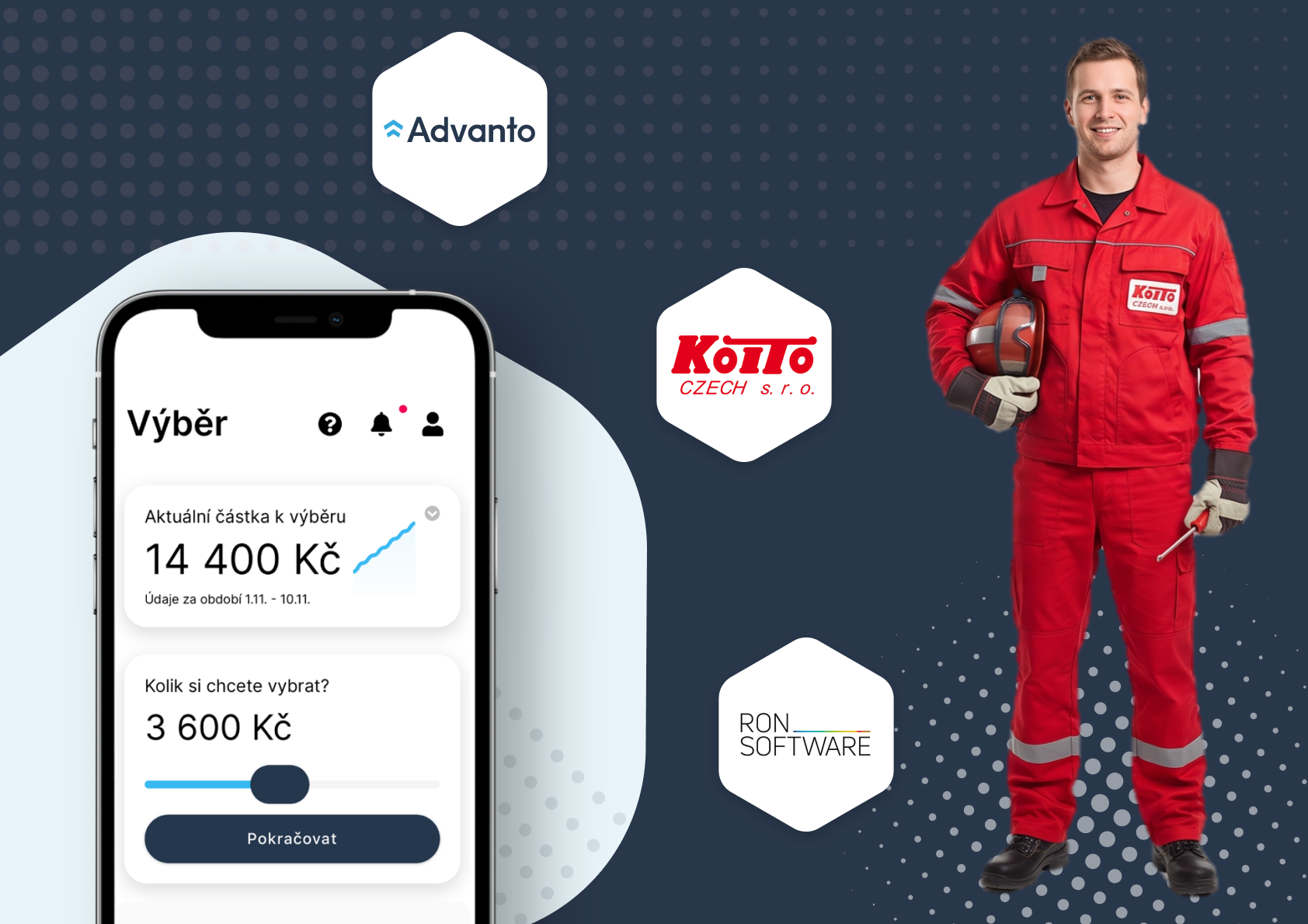
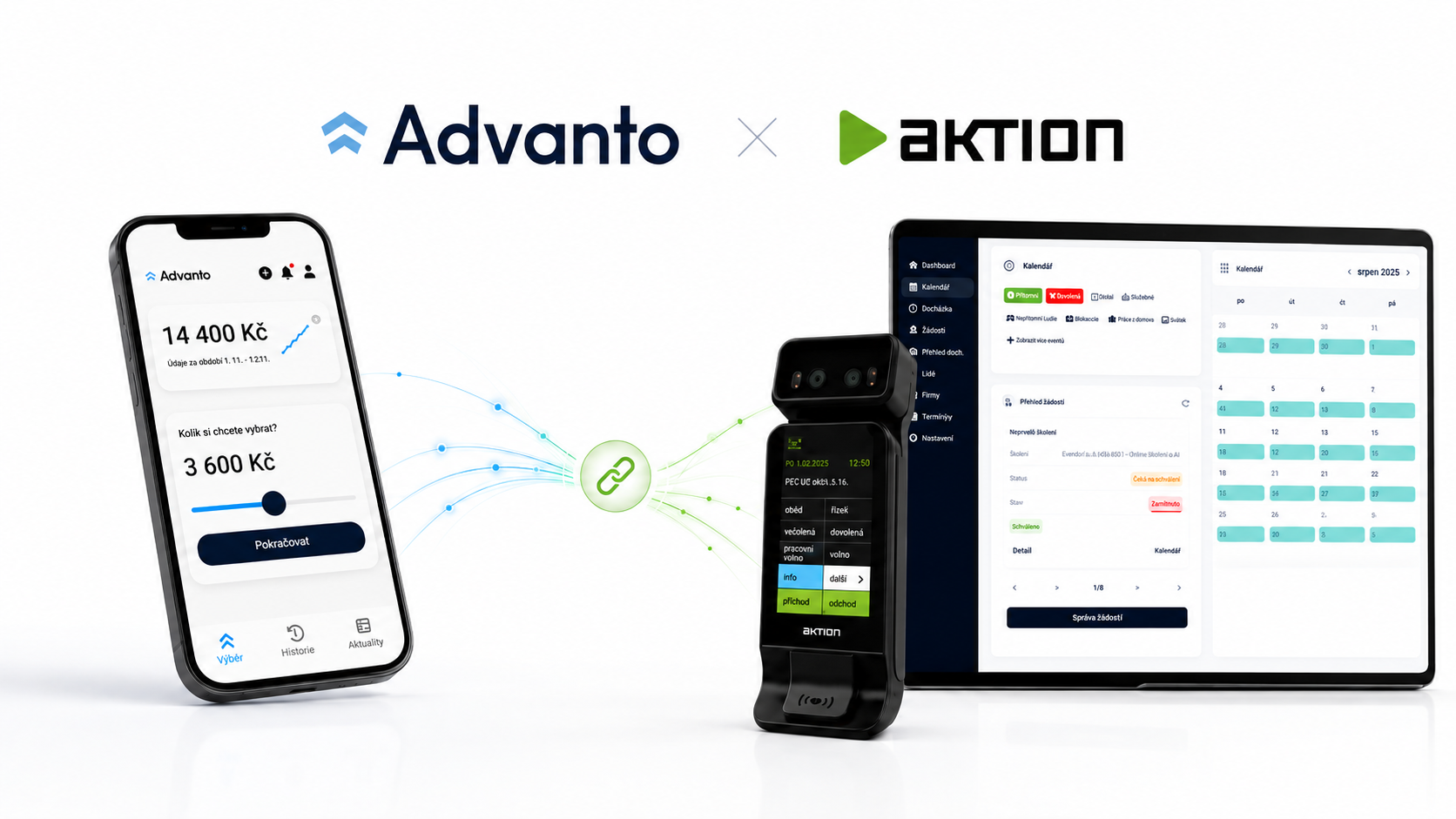
Advanto can be one such safety tool. It's an app that helps spread income and expenses more evenly across the month, and that provides simple, fast, and intuitive access to your own earned wages several times a month. This removes unnecessary financial stress and acts as a safeguard against debt. At the same time, the technology also reduces the problem of shame that many employees used to experience when they had to go in person to the payroll office to ask for a wage advance—which brings us right back to where we started: the problem of financial silence.
Gerhard Knop sums up his experience and his recommendations for company directors and managers in a few simple points:
- Trust in employees and in their competence is the basic building block of a good relationship between a company and its people.
- Talking to people is essential. Keep asking them, again and again, what they need, what troubles them, what makes them happy, and what they expect.
- Offer employees the kind of help or benefits that actually resonate with their needs.
- Financial literacy can't stay on paper—people need practical tools that help them act responsibly when it comes to their personal finances.