For some companies, providing wage advances is unthinkable, while in others, paying out advances in cash has worked for many years. Roughly 2 years ago, advances were making a comeback. And the popularity of this employee benefit keeps growing. Whether in the form of cash payouts or access to earned wages at any time via a mobile app. Why introduce advances, why avoid them, and what alternatives are there?
What does the law say?
The Labour Code requires remuneration for work to be paid no later than on the payday set by the employer. It neither mandates nor prohibits the payment of advances. It is therefore up to the employer to decide whether and under what conditions to offer this benefit. Since advances are not legally anchored in this way, each company can set its own conditions for drawing them – whether in terms of frequency, maximum amount, or other restrictions. However, no group of employees should ever be discriminated against.
The financial situation is boosting the popularity of wage advances
The popularity of drawing pay several times a month is growing. Perhaps more than ever before. One of the reasons is significant inflation, which leaves a large share of employees struggling to make ends meet until the next payday. For them, an advance is a more pleasant alternative to short-term loans with unfavourable interest rates, which often get them into even bigger financial trouble. Demand for advances also rises in seasonal periods such as the summer and winter holidays or Christmas.
Beyond economic factors, the way people think about their money is changing too. Flexibility is becoming a key requirement. People want to have the money they have earned at hand, not wait up to 60 days for it.
Why provide advances?
Higher satisfaction and loyalty: Many companies boast about how they care for their employees. But how many of them actually provide something employees will truly appreciate and that will keep them motivated in the future? The option to ask for an advance can reduce employees' financial stress, which translates into higher productivity and lower absence. Employees who know they can ask for an advance when needed feel more secure and calmer. Overall, this can lead to greater satisfaction and loyalty across the workforce.
Better financial health: Many employees live from payday to payday and face financial stress. Being able to access the money they have earned before the end of the month can help them cope better with unexpected expenses and avoid late-payment interest or unfavourable loans. Financially stable employees are often more productive employees.
Competitive advantage and lower turnover: Advanto's data shows that mentioning the Earned Wage Access benefit in job offers increases the number of applicants for a position by up to 50%. In some cases, this benefit is mistaken for a wage advance, which also drives up the number of applicants. When employees have the option to draw their pay before payday, they do not leave for another company offering a higher wage.
Supporting company culture and a modern approach: Wage advances are once again becoming a modern benefit. Offering such benefits shows that the company cares about its employees' financial well-being, which strengthens the perception of the company culture as open and innovative.
Simply put, the option to draw wage advances helps employees handle unexpected expenses more comfortably than short-term loans or late payments. This benefit provides greater security and flexibility even to those who are not currently in financial distress. According to surveys, 70% of Czechs turn to their employer when facing financial difficulties. Advances reduce financial stress, which increases employee productivity and loyalty.
What makes providing advances complicated?
Administrative burden: In the vast majority of cases, wage advances mean more work for the accounting department. Instead of one monthly payroll cycle, companies have to record and process more transactions, which can increase both costs and the error rate.
Cash flow and financial planning: Providing advances can disrupt the regularity of cash flow. Especially in smaller businesses with limited reserves. In addition, advances are most often provided in cash, which brings logistical challenges connected with withdrawing and managing cash.
Risk of financial irresponsibility: Some companies may worry that employees will start asking for advances more often and get themselves into financial trouble. Companies may feel responsible for protecting employees from excessive spending. According to Advanto's data, however, more frequent use of advances does not necessarily mean irresponsible behaviour – employees who previously relied on short-term loans are now helping themselves with advances instead. In such cases, it is always a good idea to talk to the employee and offer a helping hand.
Legal and tax complications: During the month, the employer must monitor the insolvency register and, if an employee's wages are subject to garnishment, ensure that after an advance is provided there is still a sufficient amount left for the wage deductions to be made. Employees in insolvency are usually not allowed to draw advances, as the process of monitoring their current situation is too complex and, in the event of an error, the employer risks financial penalties.
Financial costs: Managing and holding cash, bank transfers, accounting, and all the work connected with advances carry considerable costs. The employer can cover these costs as part of providing an employee benefit. In many cases, these costs are passed on to employees in the form of a fee for providing the advance, which, however, can make this benefit less attractive.
A modern alternative
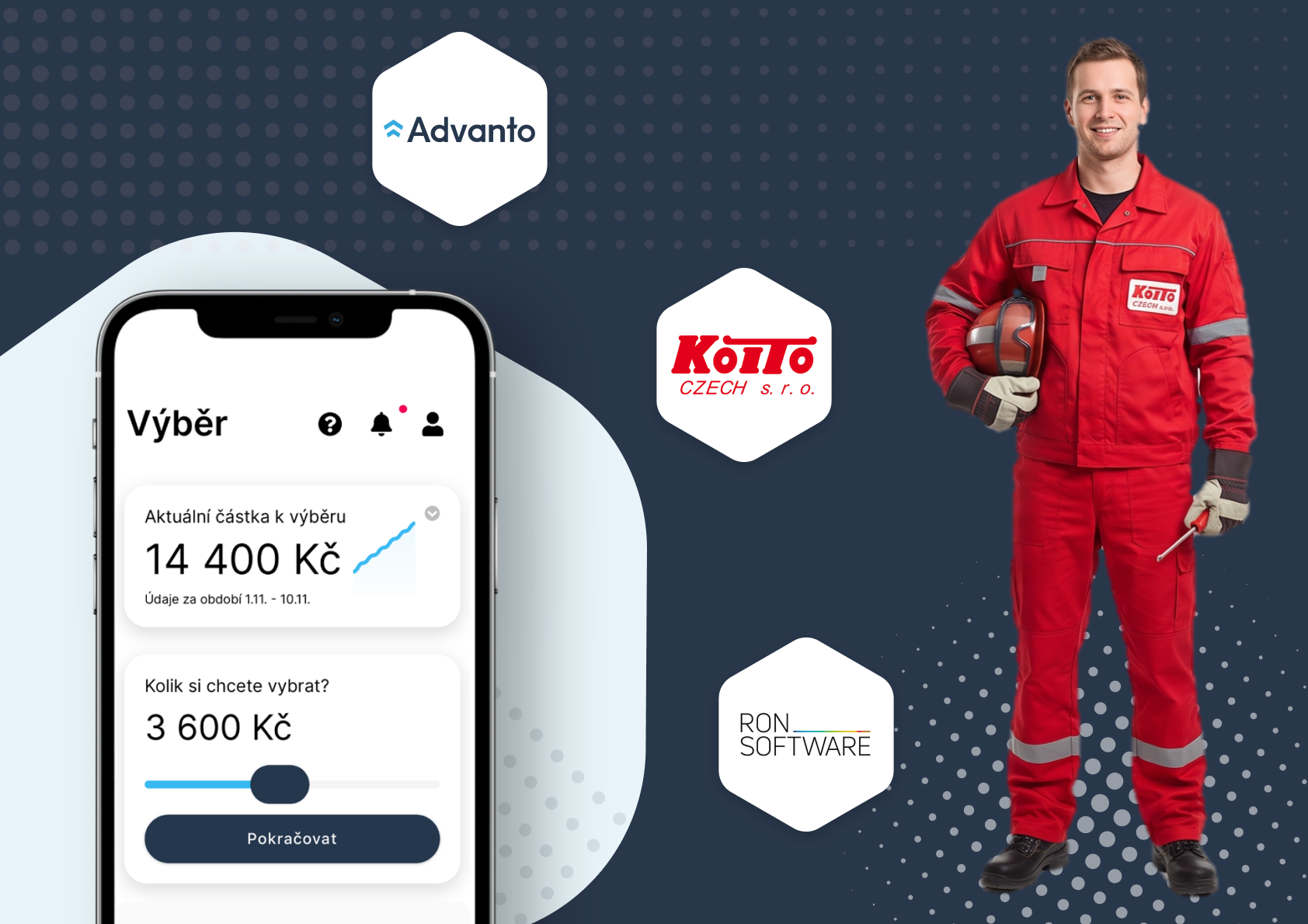
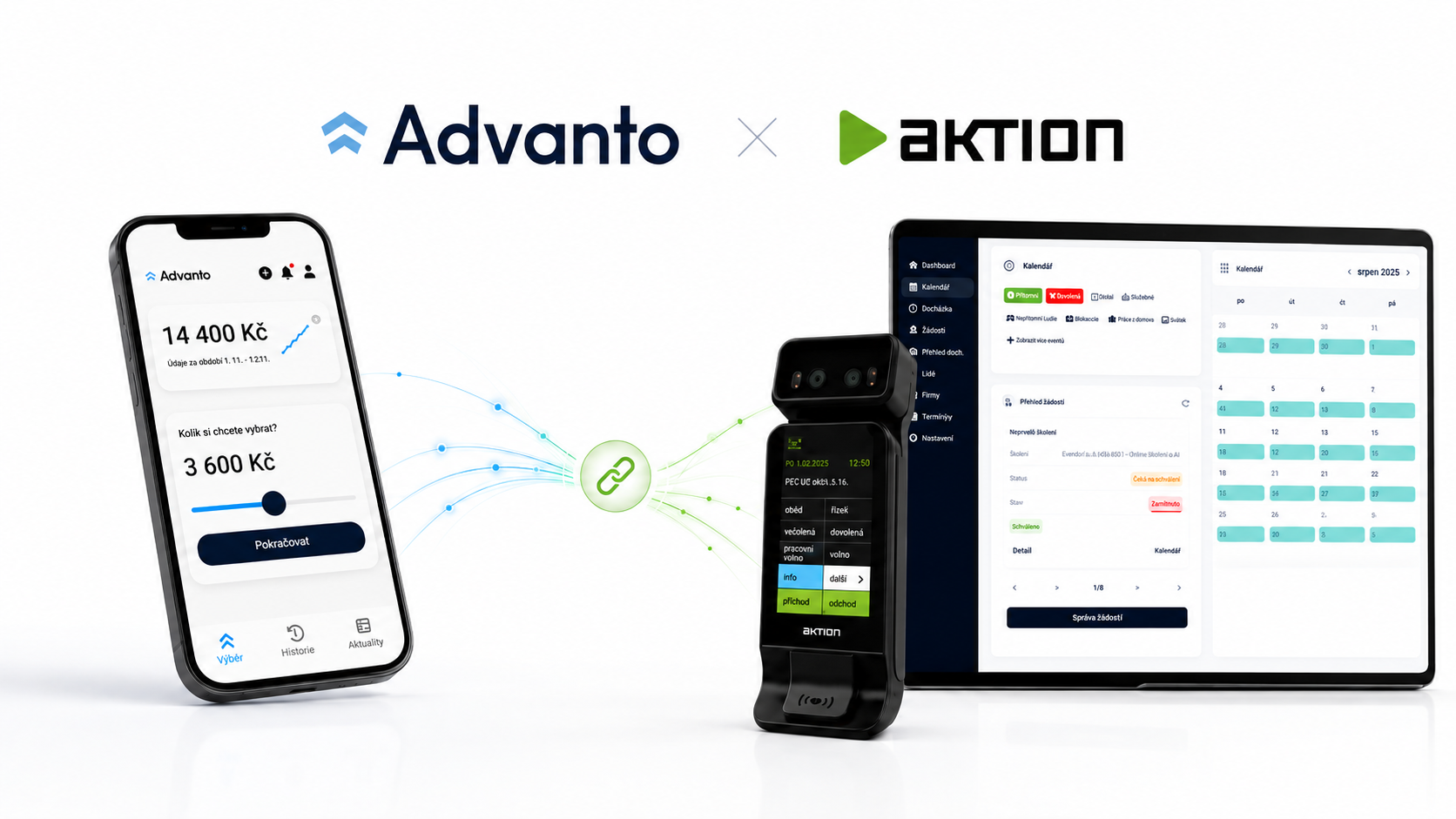
The arguments against wage advances are refuted by Earned Wage Access. With access to their earned money at any time, employees can send part of their earned wages directly to their bank account themselves. Simply, in just a few clicks in a mobile or web app. Thanks to easy integration with the company's payroll and time-and-attendance systems, the benefit works automatically with no need for intervention. How does Earned Wage Access differ from traditional advances? Read more here.