Recruiting workers for manual positions is becoming more challenging by the day. Manufacturing companies, warehouses, logistics, and cleaning services face high turnover, a low number of applicants, and strong competition. Raising the base wage is often not enough — or is too costly. In the reality of 2025, successful recruitment relies on other tools.
The Czech Republic has one of the lowest unemployment rates in the EU, turnover in manufacturing and logistics is rising, and the number of applicants isn't growing at the same pace as companies' needs. In short, there's more work than there are people, and recruiting for blue-collar and operational positions is more difficult in 2025 than ever before.
Companies therefore have to face tough competition — and not just through higher wages. What also matters is how you advertise, how quickly you respond, and what you actually offer candidates.
Start with a specific job ad
A job ad should set your offer apart from the others, but it definitely shouldn't promise something you can't deliver. Many recruitment ads contain phrases like "a friendly team, above-standard rewards, and a motivating environment." But the reality often looks different — and employees leave after just a few days.
- Write an accurate job description
- State specific pay and shifts
- Mention the real benefits you actually offer
- Don't hide important information behind "you'll find out at the interview"
When the ad matches reality, the right people show up — and they stay longer.
Whoever responds first has the advantage
Candidates routinely respond to several offers at once and go where someone gets back to them first. Often, it comes down to who calls them the same day.
Erika, the digital recruiter, helps with this — she contacts candidates automatically right after they fill out the form. Erika speeds up the whole process and lets recruiters spend their time only on relevant candidates.
- assesses how suitable the candidate is for the position
- calls them and asks for further information
- if the candidate meets the requirements, arranges an interview time with them and enters it directly into your calendar.
Competitive advantage
Although most employers are raising starting pay and offering sign-on bonuses, this incentive often isn't enough. Flexibility matters in today's world. On these positions, you can't offer it through working from home or flexible hours. But there's another form of flexibility: the option of earned wage access.
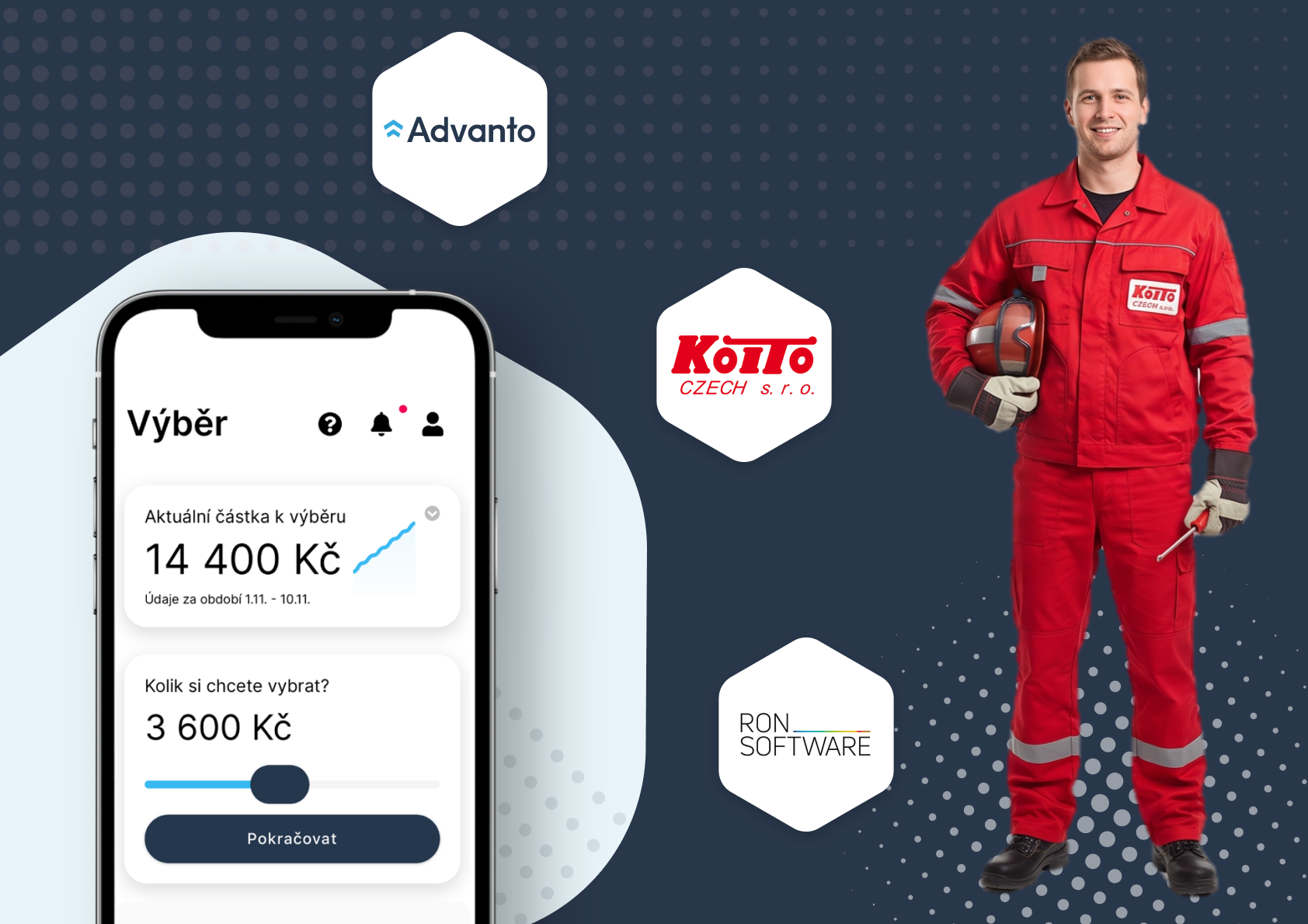
Earned Wage Access is a benefit that lets employees access their already earned wages — without waiting for the standard payday. Data from Advanto shows that companies with Earned Wage Access recruit up to 52% faster, because they attract almost twice as many candidates.
If four companies in your region are competing for the same workers at the same pay, the one that offers Earned Wage Access significantly increases the chance that a candidate will click on its ad. Why?
- Candidates see the benefit as a sign of trust and fair treatment.
- They have a way to deal with unexpected expenses.
- They feel more financially stable and leave for the competition less often.
Get ahead of the competition
A well-written ad, a fast response, and real benefits. These are the three pillars of successful recruitment in 2025. And when you back them up with digital tools like Erika, you get ahead of the competition.
- A well-written job ad
- A fast response to candidates
- Real, meaningful benefits
Want to attract more candidates and speed up recruitment? Contact us