In many startups, the question of setting up an HR department can end up on the back burner. Owners and managers are often focused on key questions around finance, product, and marketing, and the people side of the business can seem like a lower priority. But as a company grows, so does the need to handle increasingly complex people issues systematically and with a professional approach. How do you recognize the right moment, and what does HR actually bring to a company?
Team growth and more complex working relationships
One signal that a company should consider setting up an HR department is a growing headcount. The more people on the team, the more complex the relationships, roles, and responsibilities become. Ensuring a smooth recruitment process, onboarding, and integration of new employees becomes more demanding. This is where HR plays a key role, organizing recruitment and creating clear processes that make it easier for employees to move between the different stages of the employment cycle.
Systematizing recruitment and talent selection
In smaller companies, recruitment and candidate selection is often handled directly by the founders or managers. That can work with a small headcount, but as the company grows, this approach becomes unsustainable. The HR department should build efficient recruitment processes that attract the right candidates, saving the company time and ensuring high-quality hires. Managing recruitment activities today also relies on modern tools that simplify candidate record-keeping, automate selection processes, and give a clear overview of which stage each candidate is in.
Monitoring and developing company culture
As headcount grows, company culture can easily start to fragment and lose the distinct character it had when the team was smaller. The HR department can play a key role in maintaining company values and defining company culture. It helps introduce practices that strengthen a sense of belonging and engagement, improving both the working atmosphere and overall productivity.
Ensuring compliance with legal requirements
The more people a company employs, the more complex it becomes to comply with labor law. The HR department helps the company keep up with legislation and ensures that all processes, from recruitment through termination of employment, comply with applicable law. This reduces the risk of legal complications and ensures employees feel they are treated fairly within the company. A valuable aid in this task is an HR system that can track and automatically update information about legislative changes, significantly reducing the risk of errors and potential legal issues.
Employee care and benefits
The HR department is not only responsible for recruitment, but also for the development and satisfaction of existing employees. It plays a significant role in selecting and implementing employee benefits, with an emphasis on alignment with company culture and employees' needs and preferences. Beyond employee satisfaction, the goal of benefits is also to increase loyalty. Results like these are delivered, for example, by the Earned wage access benefit.
Preparing for growth and change within the company
The HR department plays a crucial role in preparing a company for strategic changes, such as expansion into new markets or mergers. A professional HR team ensures the company is ready for change and that employees navigate it as smoothly as possible. A key aid not only during major changes is an HR system, which makes it easier for the department to implement changes, onboard new employees, and get them quickly integrated into the working environment.
When is the right time?
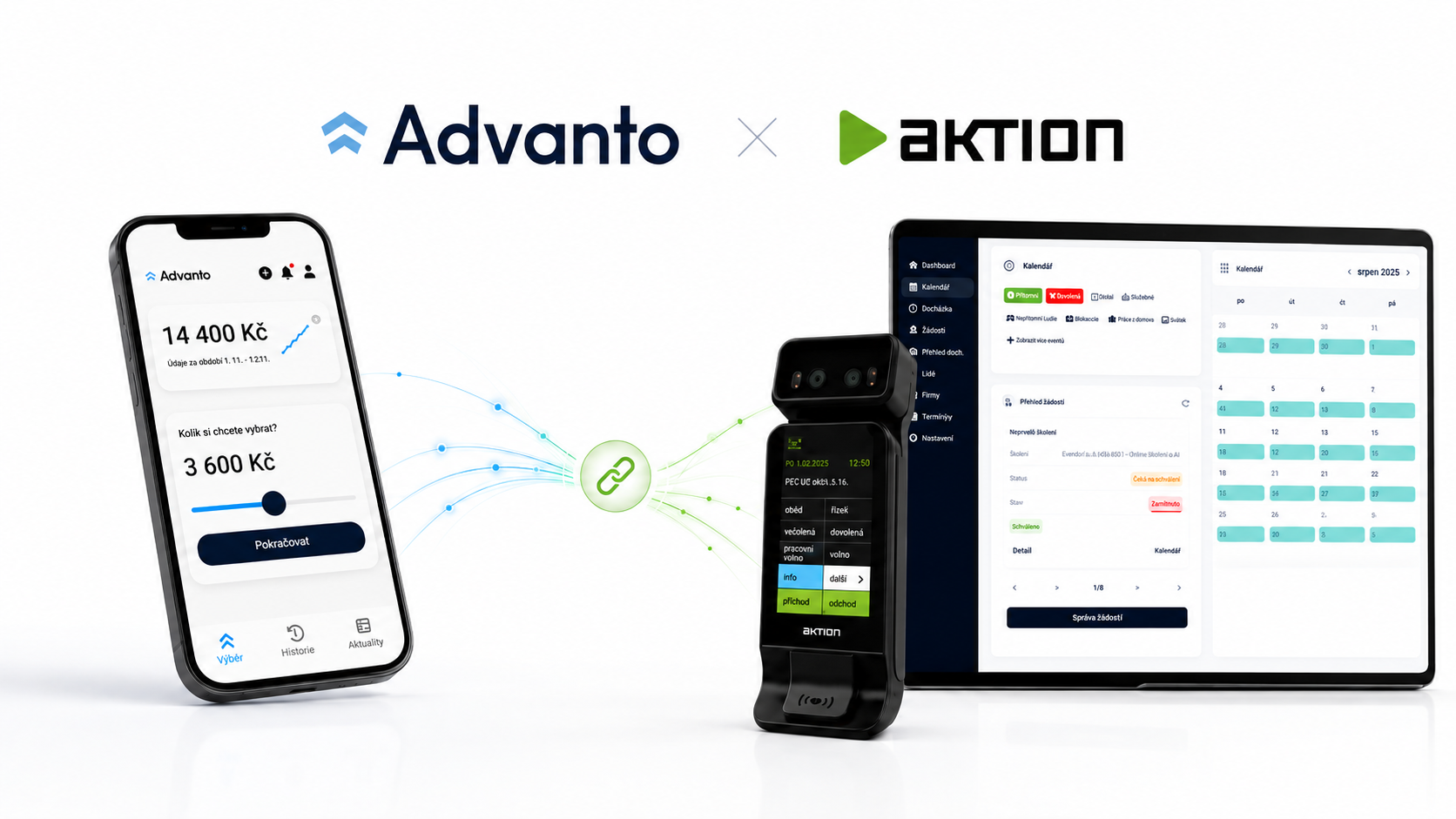
The ideal time to set up an HR department depends on the specific needs of the company, its size, and its stage of development. In practice, however, it usually turns out that once a company reaches around 15-30 employees, it is worth starting to think about hiring an external HR specialist or building an HR team, ideally supported by modern HR software. Such software can automate routine processes like attendance tracking, employment contract records, benefits overviews, or employee training. Besides simplifying administration, an HR system helps reduce costs and minimize the errors associated with manual tasks. As a result, it frees up the HR team to focus on more strategic, higher-value activities that support the company's growth, efficiency, and long-term success.